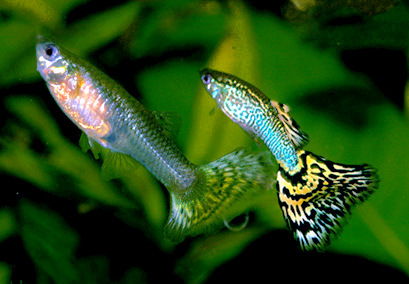
Planted freshwater aquariums combine fishkeeping with live aquatic plants, creating a self-regulating ecosystem that handles nitrate absorption naturally. In Singapore, the consistent water temperature of 27–31°C allows many tropical plant species to grow year-round without seasonal dormancy, but it also increases the rate at which nutrients are consumed and algae proliferates.

Choosing a Substrate
Substrate choice is the single most consequential decision in a planted tank and must be made before anything else goes in. The three main categories available at Singapore shops are:
- Active substrates (ADA Amazonia, Tropica Aquarium Soil, UP Aqua Shrimp Sand) — These buffer pH downward (typically to 6.0–6.8) and contain nutrients. They are the standard choice for high-tech planted tanks. Available at Green Chapter, C328, and most aquascaping-focused shops.
- Inert substrates (fine gravel, pool filter sand, CaribSea Super Naturals) — These do not alter water chemistry and are cheaper. Suitable for low-tech setups where root-feeding plants receive nutrients from root tabs inserted manually.
- Volcanic substrates (JBL Volcano Mineral, lava rock granules) — Used as a base layer under active soil to improve drainage and provide trace minerals over time. Not strictly necessary but improves longevity of the setup.
A depth of 3–5 cm for the main substrate layer is typical. For aquascapes with elevation changes (sloping foreground to background), some hobbyists use plastic mesh or lava rock barriers to maintain the slope.
Lighting for Tropical Planted Tanks
Light is the primary driver of plant growth. The quantity of light determines which species can be sustained and how much CO2 and fertilizer will be needed in response. In Singapore's context, ambient room light from windows is typically insufficient and inconsistent — a dedicated aquarium light on a timer is necessary.
Low-Light Setups (15–30 PAR at substrate)
Suitable for undemanding species like Anubias, Java Fern, Java Moss, Cryptocorynes, and Bucephalandra. These tanks do not require CO2 injection and have lower maintenance demands. A basic LED strip (Chihiros A-series, Twinstar S-series) running 7–8 hours daily is sufficient. This approach is often called "low-tech" and is the recommended starting point for new aquascapers.
Medium to High-Light Setups (40–100+ PAR)
Required for carpeting plants (Hemianthus callitrichoides, Glossostigma, Monte Carlo), red-coloured species (Rotala rotundifolia, Ludwigia palustris), and fast-growing stems. These tanks demand CO2 injection and regular dosing of macro and micronutrients. LED fixtures from ONF, Chihiros WRGB, and Twinstar are popular choices among Singapore aquascapers.
Light timer recommendation: Set photoperiod to 6–8 hours for new tanks. Algae is the most common issue in the first 4–8 weeks while plants establish. Reducing light duration to 6 hours during cycling helps prevent early algae outbreaks, which are worsened by Singapore's warm water temperatures that accelerate algae growth.
CO2 Injection
Carbon dioxide supplementation is optional for low-tech setups but essential for medium-to-high light tanks. Without adequate CO2 in a brightly lit tank, plants cannot photosynthesize efficiently and algae outcompetes them.
Pressurized CO2 Systems
The standard setup involves a CO2 cylinder (commonly 2 kg or 5 kg in Singapore), a dual-stage regulator with solenoid valve, and an in-tank diffuser or inline reactor. A 2 kg cylinder running at 1–2 bubbles per second typically lasts 3–6 months on a 60 cm tank. Refills cost SGD 15–25 at shops like NA Aquarium (Yishun) or Ace Aquatic (Geylang).
DIY and Disposable Options
For smaller tanks (under 40 litres), disposable CO2 cartridge systems (Ista, Fluval) offer a lower entry cost. DIY citric acid and baking soda reactors are another budget alternative popular among local hobbyists. Output is less consistent than pressurized systems but adequate for nano tanks with moderate lighting.
Warm-Water CO2 Behaviour
An important consideration for Singapore: CO2 dissolves less efficiently in warmer water. At 30°C, water holds approximately 20% less dissolved CO2 than at 24°C given the same injection rate. This means bubble counts or flow rates that work in cooler climates may need to be increased. Using a drop checker filled with 4 dKH reference solution helps monitor CO2 concentration visually — a consistent lime-green colour indicates approximately 30 ppm, which is the target for most planted tanks.
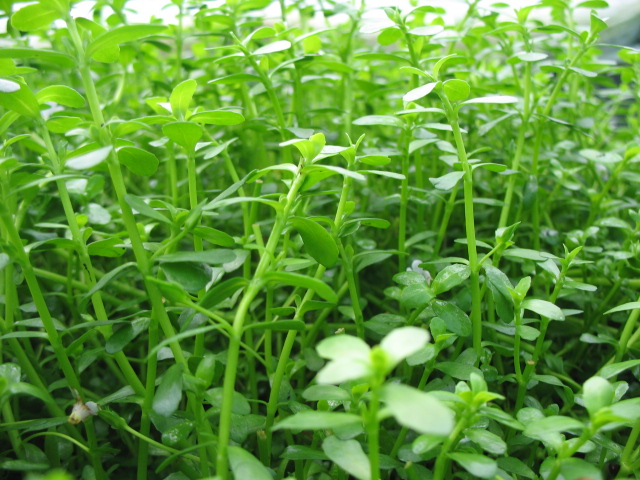
Plant Species for Singapore Conditions
The following species are widely available locally and grow reliably in Singapore's water conditions without extraordinary measures:
Low Maintenance
- Anubias barteri — Attach to hardscape. Extremely slow-growing, tolerant of low light. Avoid burying the rhizome.
- Microsorum pteropus (Java Fern) — Attach to wood or rock. Propagates from leaf plantlets. Does not need active substrate.
- Taxiphyllum barbieri (Java Moss) — Attaches to any surface. Useful for shrimp tanks. Tolerates a wide range of conditions.
- Cryptocoryne wendtii — Root feeder, tolerates low to medium light. Multiple colour variants available locally (green, brown, red).
Moderate to High Demand
- Rotala rotundifolia — Fast-growing stem plant. Develops pink to red colouration under high light with CO2. Available at most aquascaping shops.
- Micranthemum tweediei (Monte Carlo) — Popular carpeting plant. Requires medium-high light and CO2 for dense growth.
- Bacopa monnieri — Sturdy stem plant native to tropical regions. Grows well in Singapore water without CO2, though CO2 improves density.
- Staurogyne repens — Low-growing foreground plant. Needs moderate light and benefits from nutrient-rich substrate.
Fertilization
In active substrates, root-feeding plants receive nutrients from the soil for the first 6–12 months. After this period, or in inert substrates from the start, supplementation is needed. The two main approaches used by Singapore hobbyists:
- All-in-one liquid fertilizers (APT Complete, Tropica Premium Nutrition, Seachem Flourish) — Convenient but less customizable. Dosed daily or every other day.
- Estimative Index (EI) dosing — Separate dosing of macronutrients (KNO3, KH2PO4, K2SO4) and micronutrients (CSM+B). More economical for larger tanks. Dry salts available from Green Chapter and online sellers.
Getting Started: First 8 Weeks
- Set up hardscape and substrate. Fill tank and run filter for 24 hours to check for leaks.
- Plant densely from the start — at least 60% of the substrate should be covered. This reduces algae by competing for nutrients.
- Begin CO2 injection (if using) and lighting. Start with a 6-hour photoperiod.
- Perform 50% water changes every 2–3 days for the first 4 weeks. This removes excess ammonia from active substrates.
- Add livestock only after 3–4 weeks, starting with a small bioload.
- After week 4, reduce water changes to twice weekly (30–40%) and begin regular fertilizer dosing.
- By week 8, the tank should be establishing biological stability. Adjust light duration upward to 7–8 hours if algae is under control.
For sourcing plants and equipment mentioned above, the aquarium shops guide lists retailers across Singapore. Compatible fish species for planted tanks, including bettas which do well in low-flow planted setups, are covered in the betta care article.