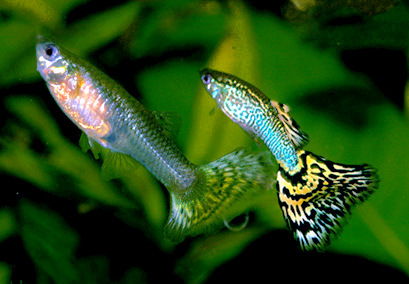
Betta splendens, native to the shallow rice paddies and slow streams of mainland Southeast Asia, are one of the most commonly kept freshwater fish in Singapore. The island's stable tropical temperature — hovering between 28 and 31°C for most of the year — removes the need for a heater, but introduces its own set of challenges related to dissolved oxygen, metabolic rate, and bacterial proliferation.

Water Temperature Considerations at 28–31°C
While bettas tolerate water up to 30°C, temperatures that consistently exceed this threshold accelerate metabolism and shorten lifespan. In Singapore, ambient room temperature during hot spells (particularly March through May) can push uncooled tanks to 32°C. Fishkeepers in HDB flats without air-conditioning report similar readings.
Practical cooling methods used by local hobbyists include small clip-on fans directed at the water surface, which lower temperature by 2–4°C through evaporation. Chiller units are another option, though they are typically reserved for larger setups due to cost. Placing the tank away from windows that receive direct afternoon sun also reduces heat gain noticeably.
Tank Size and Setup
The minimum recommended tank volume for a single betta is 5 gallons (approximately 19 litres). While bettas are often sold in small containers at local shops, prolonged confinement in undersized vessels leads to fin deterioration and stress-related disease. A rectangular tank with a gentle sponge filter offers both adequate space and minimal current — bettas are poor swimmers in strong flow due to their elongated fins.
For substrate, fine gravel or sand works well. Sharp-edged materials should be avoided, as bettas rest near the bottom and can tear their fins on jagged surfaces. Driftwood, Anubias, and Java Fern provide shelter without releasing tannins that significantly alter pH in Singapore's treated tap water (which typically sits around 7.0–7.5).
Filtration and Water Changes
In warm water, waste breaks down faster and ammonia spikes happen more readily. A sponge filter rated for the tank volume, combined with 25–30% water changes twice per week, is sufficient for a single betta. Test kits for ammonia, nitrite, and nitrate are available at most aquarium shops along Thomson Road and in Clementi.
Water parameter targets for bettas in Singapore: Temperature 26–30°C, pH 6.5–7.5, Ammonia 0 ppm, Nitrite 0 ppm, Nitrate below 20 ppm. Singapore tap water typically meets pH requirements after dechlorination with a standard water conditioner.
Feeding in Warm Conditions
Higher water temperatures mean a faster metabolic rate. Bettas in Singapore's climate tend to digest food more quickly than those kept at 24–25°C. Two small feedings per day — roughly 3–4 pellets each — prevent overfeeding while meeting increased caloric demand. Hikari Betta Bio-Gold and Omega One Betta Buffet Pellets are widely stocked locally.
Supplementing with frozen bloodworms or daphnia once or twice per week adds variety. Live food, including tubifex and brine shrimp, is available at shops in the Yishun area and at Qian Hu Fish Farm. However, live food should be quarantined or sourced from a trusted supplier to avoid introducing parasites.
Common Diseases and Warm-Water Risks
The three conditions most frequently seen in Singapore-kept bettas are fin rot, velvet (Oodinium), and columnaris. All three are exacerbated by warm water and poor maintenance:
- Fin rot — Bacterial infection that erodes fin edges. Often triggered by ammonia spikes in warm tanks. Treatment involves improving water quality and, in advanced cases, applying antibacterial medication such as Seachem Kanaplex.
- Velvet — A parasitic infection visible as a gold or rusty dust on the body under torchlight. Copper-based treatments (Seachem Cupramine) are effective when caught early. The parasite reproduces faster in warm water, so swift action is necessary.
- Columnaris — Bacterial infection causing white patches on the mouth and body. Thrives at temperatures above 28°C. Furan-2 or Kanaplex are commonly used treatments available at local fish shops.
Preventive Measures
Quarantining new fish for 10–14 days in a separate tank remains the most effective prevention strategy. Maintaining stable water parameters through consistent water changes and avoiding temperature swings above 2°C per day significantly reduces disease incidence.

Where to Buy Bettas in Singapore
Several shop clusters cater specifically to betta enthusiasts. The shops along Serangoon North Avenue 1 (near Yio Chu Kang MRT) carry a rotating selection of plakat and halfmoon varieties. Clementi's Fishy Business, on Sunset Way, is known for imported show-grade stock. Online sellers on Carousell and local Facebook groups offer homebred bettas, often with lineage documentation.
Prices for common bettas start at SGD 3–5 at most neighbourhood shops. Show-grade halfmoon or dumbo-ear variants range from SGD 20 to over SGD 80 depending on colour, symmetry, and breeder reputation.
Key Takeaways
- Singapore's tap water temperature is within betta tolerance but monitor during peak heat months.
- Use clip-on fans or strategic tank placement to prevent temperatures exceeding 31°C.
- Frequent water changes (25–30% twice weekly) are more critical in warm conditions.
- Feed smaller portions more frequently to match increased metabolism.
- Quarantine all new fish before adding to an established tank.
For a broader overview of local aquarium retailers, refer to our guide on aquarium shops across Singapore. If considering a planted tank setup for betta housing, the planted tank fundamentals guide covers substrate, lighting, and CO2 considerations.